Address: No. 11 Plant, Tiantan Industrial Park, Huling Industrial Cluster, Jiyuan City

Customized Lead Alloy Melting Furnaces: Tailored Solutions for Diverse Industries
Aug 31,2025
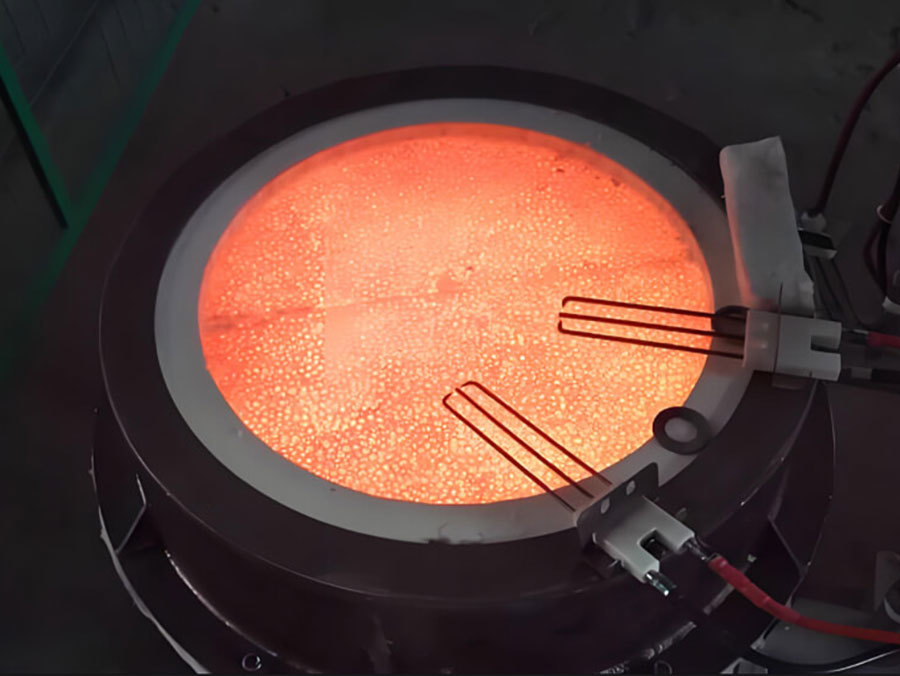
Customized Lead Alloy Melting Furnaces: A Solution for Every Industry
Table of Contents
- 1. Introduction to Customized Lead Alloy Melting Furnaces
- 2. Importance of Customized Furnaces in Modern Industry
- 3. Key Components of Lead Alloy Melting Furnaces
- 4. Customization Options for Various Industries
- 5. Benefits of Using Customized Lead Alloy Melting Furnaces
- 6. Advanced Technologies in Melting Furnaces
- 7. Maintenance and Safety Considerations
- 8. Case Studies: Successful Implementations
- 9. Conclusion
- 10. Frequently Asked Questions
1. Introduction to Customized Lead Alloy Melting Furnaces
In the realm of industrial manufacturing, the ability to adapt processes to meet specific needs is paramount. Customized lead alloy melting furnaces are engineered to provide tailored solutions that cater to the diverse requirements of various sectors. These furnaces are crucial for efficiently melting lead and other alloys, ensuring optimal processing conditions for different applications.
2. Importance of Customized Furnaces in Modern Industry
The modern industrial landscape is characterized by a demand for **efficiency**, **flexibility**, and **precision**. Customized lead alloy melting furnaces play a vital role in meeting these demands. By offering tailored heating solutions, manufacturers can achieve:
- **Improved Energy Efficiency**: Customized systems are designed to minimize energy consumption, contributing to lower operational costs.
- **Enhanced Production Flexibility**: These furnaces can be adjusted to accommodate various alloy specifications, allowing for rapid changeovers between different production runs.
- **Higher Quality Output**: With precise temperature control and tailored heating profiles, customized furnaces produce alloys with consistent properties, leading to superior product quality.
3. Key Components of Lead Alloy Melting Furnaces
Understanding the components of a lead alloy melting furnace helps in appreciating its functionality and efficiency. Key components include:
3.1. Furnace Chamber
The core of the melting furnace, where the alloys are heated. The chamber is built to withstand high temperatures and is often lined with heat-resistant materials to enhance insulation.
3.2. Heating Elements
These elements provide the necessary heat to melt the alloys. They can be electric, gas-fired, or induction-based, depending on the specific needs of the operation.
3.3. Temperature Control Systems
Advanced temperature control systems ensure that the furnace maintains the desired temperature, which is essential for achieving the right melting conditions.
3.4. Cooling Systems
Cooling systems are critical in managing the temperature of the furnace and preventing overheating, which can lead to equipment failure or safety hazards.
4. Customization Options for Various Industries
Customized lead alloy melting furnaces can be tailored to serve a wide range of industries. The options for customization include:
4.1. Capacity Adjustments
Furnaces can be designed to accommodate specific production volumes, ensuring that they meet the demands of both small-scale and large-scale operations.
4.2. Material Compatibility
Depending on the type of alloys being processed, furnaces can be customized to handle specific materials, including lead, tin, and other metals.
4.3. Automation Features
Integrating automation can enhance efficiency, providing features such as automated loading and unloading, as well as real-time monitoring of melting processes.
4.4. Environmental Controls
With increasing regulations around emissions, customized furnaces can include advanced filtration and exhaust systems to minimize environmental impact.
5. Benefits of Using Customized Lead Alloy Melting Furnaces
The advantages of investing in customized lead alloy melting furnaces are numerous and significant:
5.1. Cost-Effectiveness
Although the initial investment may be higher, the long-term savings through reduced energy consumption and maintenance costs can result in a favorable return on investment.
5.2. Enhanced Productivity
Customized furnaces allow for streamlined processes, reducing downtime and increasing overall production rates.
5.3. Improved Safety
Tailored safety features and controls can be incorporated, reducing the risk of accidents and improving workplace safety.
6. Advanced Technologies in Melting Furnaces
The landscape of melting technology is continually evolving. New advancements lead to improved performance and efficiency in customized lead alloy melting furnaces.
6.1. Induction Melting Technology
This technology uses electromagnetic induction to heat the metal, providing rapid and uniform heating. It is energy-efficient and offers precise temperature control, making it ideal for high-quality alloy production.
6.2. Smart Furnace Technologies
Integration of IoT and smart technologies allows manufacturers to monitor and control their furnaces remotely, enabling predictive maintenance and real-time adjustments.
6.3. Energy Recovery Systems
These systems capture and reuse waste heat, enhancing the overall efficiency of the melting process and reducing operational costs.
7. Maintenance and Safety Considerations
Proper maintenance is essential for optimal operation and longevity of melting furnaces.
7.1. Regular Inspections
Scheduled inspections help identify potential issues before they escalate, ensuring the furnace operates smoothly and safely.
7.2. Cleaning Protocols
Keeping the furnace clean is vital to maintaining efficiency and preventing contamination of the alloys being melted.
7.3. Safety Training
All personnel should undergo safety training specific to furnace operations. Implementing strict adherence to safety protocols minimizes risks associated with high-temperature operations.
8. Case Studies: Successful Implementations
To illustrate the impact of customized lead alloy melting furnaces, we examine various case studies showcasing their implementation across different industries.
8.1. Automotive Industry Case Study
An automotive manufacturer adopted customized melting furnaces to streamline their alloy production process. By implementing reduced cycle times and precise temperature control, they achieved a 15% increase in productivity while reducing energy costs.
8.2. Battery Manufacturing Case Study
A battery manufacturer implemented induction melting technology in their production line, resulting in enhanced quality of lead alloys, which improved the performance and lifespan of their batteries.
8.3. Aerospace Industry Case Study
In the aerospace sector, a company utilized customized furnaces for specialized alloy production. This led to significant improvements in material properties and reduced waste.
9. Conclusion
Customized lead alloy melting furnaces offer a diverse range of solutions that cater to the unique needs of various industries. By investing in tailored melting technologies, manufacturers can achieve greater efficiency, improve quality, and enhance productivity. As industries continue to evolve, the importance of customization in manufacturing processes, particularly in melting furnaces, cannot be overstated.
10. Frequently Asked Questions
1. What industries benefit from customized lead alloy melting furnaces?
Customized melting furnaces are beneficial in automotive, aerospace, battery manufacturing, and recycling industries, among others.
2. How can customization improve productivity?
Customization allows for specific adjustments to handle diverse production volumes and rapidly switch between different alloy types, reducing downtime and enhancing overall output.
3. Are there energy-efficient options available?
Yes, many custom lead alloy melting furnaces incorporate energy recovery systems and advanced heating technologies to minimize energy consumption.
4. What are the safety features commonly included in customized furnaces?
Common safety features include temperature monitoring systems, automated shut-off mechanisms, and advanced exhaust systems to manage emissions.
5. How often should maintenance be performed on melting furnaces?
Regular maintenance, including inspections and cleaning, should be performed at scheduled intervals, typically every few months, depending on usage and operational conditions.
TAG:
Contact Us
Company Email:
962452762@qq.com
Contact Number:
+8615670922562
Company Address:
No. 11 Plant, Tiantan Industrial Park, Huling Industrial Cluster, Jiyuan City

Address: No. 11 Plant, Tiantan Industrial Park, Huling Industrial Cluster, Jiyuan City

Scan with WeChat
Copyright © Xinyu Metallurgical Equipment Co., Ltd.
SAF Coolest v1.3.1.2 设置面板 GAGSE-ZGYF-JXSZE-AED
违禁词: First, best, top-notch, leading, unique, king, leader, leader, ultimate,
无数据提示
Sorry, this column is currently being updated. Please stay tuned!
You can view other columns or returnHomepage