Address: No. 11 Plant, Tiantan Industrial Park, Huling Industrial Cluster, Jiyuan City

How Affordable Secondary Lead Melting Equipment Enhances Sustainability Efforts
Aug 27,2025
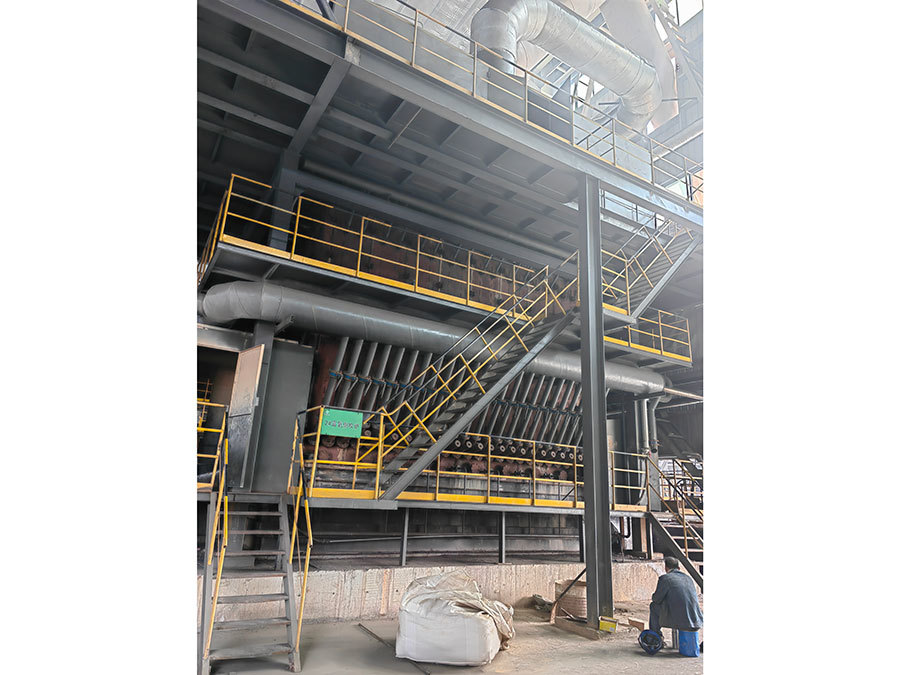
How Affordable Secondary Lead Melting Equipment Enhances Sustainability Efforts
Table of Contents
- Understanding Secondary Lead Melting Equipment
- The Importance of Sustainability in the Industrial Sector
- How Secondary Lead Melting Works
- Economic Benefits of Affordable Secondary Lead Melting Equipment
- Environmental Impact of Lead Recycling
- Innovative Technologies in Secondary Lead Melting Equipment
- Best Practices for Implementing Sustainable Solutions
- Frequently Asked Questions
- Conclusion
Understanding Secondary Lead Melting Equipment
Secondary lead melting equipment is designed specifically for the recycling of lead from various sources, including used batteries, electronics, and other lead-containing products. The process involves collecting scrap lead materials and melting them down to produce refined lead that can be used for manufacturing new products. This equipment is essential in the lead recycling industry, ensuring that valuable resources are utilized effectively and reducing the need for primary lead mining.
The Components of Secondary Lead Melting Equipment
Modern secondary lead melting systems typically comprise several key components:
- Melting Furnace: The core of the melting process, where lead scrap is subjected to high temperatures until it liquefies.
- Heating Systems: Various heating methods, including electric, gas, or induction heating systems, that ensure efficient melting.
- Control Systems: Advanced controls that monitor and regulate temperature and melting conditions for optimal performance.
- Pollution Control Equipment: Systems designed to capture emissions and particulates, ensuring compliance with environmental regulations.
The Importance of Sustainability in the Industrial Sector
Sustainability is no longer just a buzzword; it is a vital component of modern industrial operations. Companies are increasingly recognizing the need to adopt sustainable practices not only for compliance but also for enhancing their brand image and long-term viability. Factors driving the push for sustainability include:
- Regulatory Compliance: Stricter regulations on waste management and emissions require industries to seek eco-friendly solutions.
- Consumer Demand: Today's consumers prefer products from companies that demonstrate environmental responsibility.
- Resource Efficiency: Sustainable practices often lead to reduced operational costs through improved efficiency and reduced waste.
How Secondary Lead Melting Works
The process of secondary lead melting is straightforward yet highly effective. It typically involves several steps to ensure that the lead produced is of high quality and free from impurities:
1. Collection and Sorting
Lead-containing products are collected from various sources and sorted based on their type and lead content. This initial step is crucial for maximizing the efficiency of the melting process.
2. Pre-treatment
Before melting, the lead scrap may require pre-treatment to remove contaminants, such as plastic and other materials that can affect the melting process.
3. Melting
The sorted and cleaned lead is loaded into the melting furnace. The heating system activates, raising the temperature to the melting point of lead, which is approximately 327.5°C (621.5°F). During this phase, the lead liquefies and can be poured into molds for further processing.
4. Refining
Once melted, the lead may undergo additional refining processes to remove any remaining impurities, ensuring that the final product meets industry standards.
Economic Benefits of Affordable Secondary Lead Melting Equipment
Investing in affordable secondary lead melting equipment can lead to significant economic advantages for businesses in the recycling sector. Here are several key benefits:
1. Lower Capital Expenditure
Cost-effective melting equipment reduces the initial investment required for businesses entering the lead recycling market, making it more accessible for startups and small enterprises.
2. Increased Profit Margins
By utilizing affordable equipment, companies can lower operational costs and improve profit margins. Efficient melting processes also enable quicker turnaround times, further enhancing profitability.
3. Job Creation
As companies invest in secondary lead melting technology, they often expand their operations, leading to job creation in local communities. This contributes positively to the economy while supporting sustainable initiatives.
Environmental Impact of Lead Recycling
Lead recycling through secondary melting equipment plays a crucial role in reducing the environmental footprint of lead production. Here’s how:
1. Decreased Mining Activity
Recycling lead reduces the demand for primary lead mining, which is a resource-intensive process that can lead to habitat destruction and significant ecological damage.
2. Lower Energy Consumption
The energy required to recycle lead is significantly less than that needed for primary production, leading to lower greenhouse gas emissions. Efficient melting processes ensure minimal energy waste.
3. Waste Reduction
Effective recycling practices result in decreased waste generation, promoting a circular economy where materials are reused and repurposed, minimizing landfill use.
Innovative Technologies in Secondary Lead Melting Equipment
As technology continues to advance, new innovations in secondary lead melting equipment have emerged, enhancing efficiency and sustainability:
1. Induction Heating Technology
Induction heating provides a consistent and efficient way to melt lead, reducing energy consumption and ensuring even heating throughout the melting process.
2. Automation and Smart Controls
Modern melting systems now incorporate automated controls that optimize the melting process, reducing human error and enhancing safety measures.
3. Emission Control Technologies
Advanced pollution control technologies can capture particulates and harmful emissions, ensuring compliance with environmental regulations and improving air quality.
Best Practices for Implementing Sustainable Solutions
To fully leverage the benefits of secondary lead melting equipment, businesses should consider the following best practices:
1. Regular Maintenance
Ensuring that equipment is regularly maintained can improve efficiency and prolong the lifespan of the machinery, contributing to sustainability efforts.
2. Employee Training
Training employees on best practices for operating melting equipment and handling materials reduces the risk of accidents and enhances overall productivity.
3. Collaboration with Suppliers
Partnering with suppliers who prioritize sustainability can further reinforce a company’s commitment to environmentally friendly practices.
Frequently Asked Questions
1. What is secondary lead melting equipment?
Secondary lead melting equipment is machinery designed to recycle lead from scrap materials, converting it into refined lead for new production.
2. How does lead recycling contribute to sustainability?
Lead recycling reduces the need for mining, lowers energy consumption, and decreases waste, leading to a smaller environmental footprint.
3. What are the economic benefits of using affordable secondary lead melting equipment?
Cost-effective equipment lowers capital expenditure, increases profit margins, and can stimulate job creation.
4. What technologies are improving secondary lead melting processes?
Innovations such as induction heating, automated controls, and advanced emission control technologies are enhancing melting efficiency and sustainability.
5. How can companies implement sustainable practices in lead recycling?
Companies can implement sustainable practices by ensuring regular equipment maintenance, employee training, and collaborating with environmentally responsible suppliers.
Conclusion
In conclusion, affordable secondary lead melting equipment serves as a pivotal element in the pursuit of sustainability within the industrial sector. By reducing the reliance on primary lead resources, minimizing environmental impacts, and providing economic advantages, such equipment fosters a circular economy that benefits both businesses and the planet. As industries continue to innovate and embrace sustainable practices, the role of secondary lead melting technologies will undoubtedly become more significant, paving the way for a greener future.
Contact Us
Company Email:
962452762@qq.com
Contact Number:
+8615670922562
Company Address:
No. 11 Plant, Tiantan Industrial Park, Huling Industrial Cluster, Jiyuan City

Address: No. 11 Plant, Tiantan Industrial Park, Huling Industrial Cluster, Jiyuan City

Scan with WeChat
Copyright © Xinyu Metallurgical Equipment Co., Ltd.
SAF Coolest v1.3.1.2 设置面板 GAGSE-ZGYF-JXSZE-AED
无数据提示
Sorry, this column is currently being updated. Please stay tuned!
You can view other columns or returnHomepage