Address: No. 11 Plant, Tiantan Industrial Park, Huling Industrial Cluster, Jiyuan City

Unlocking Efficiency: The Role of Oxygen-Enriched Bottom-Blown Furnaces in Modern Foundries
Aug 25,2025
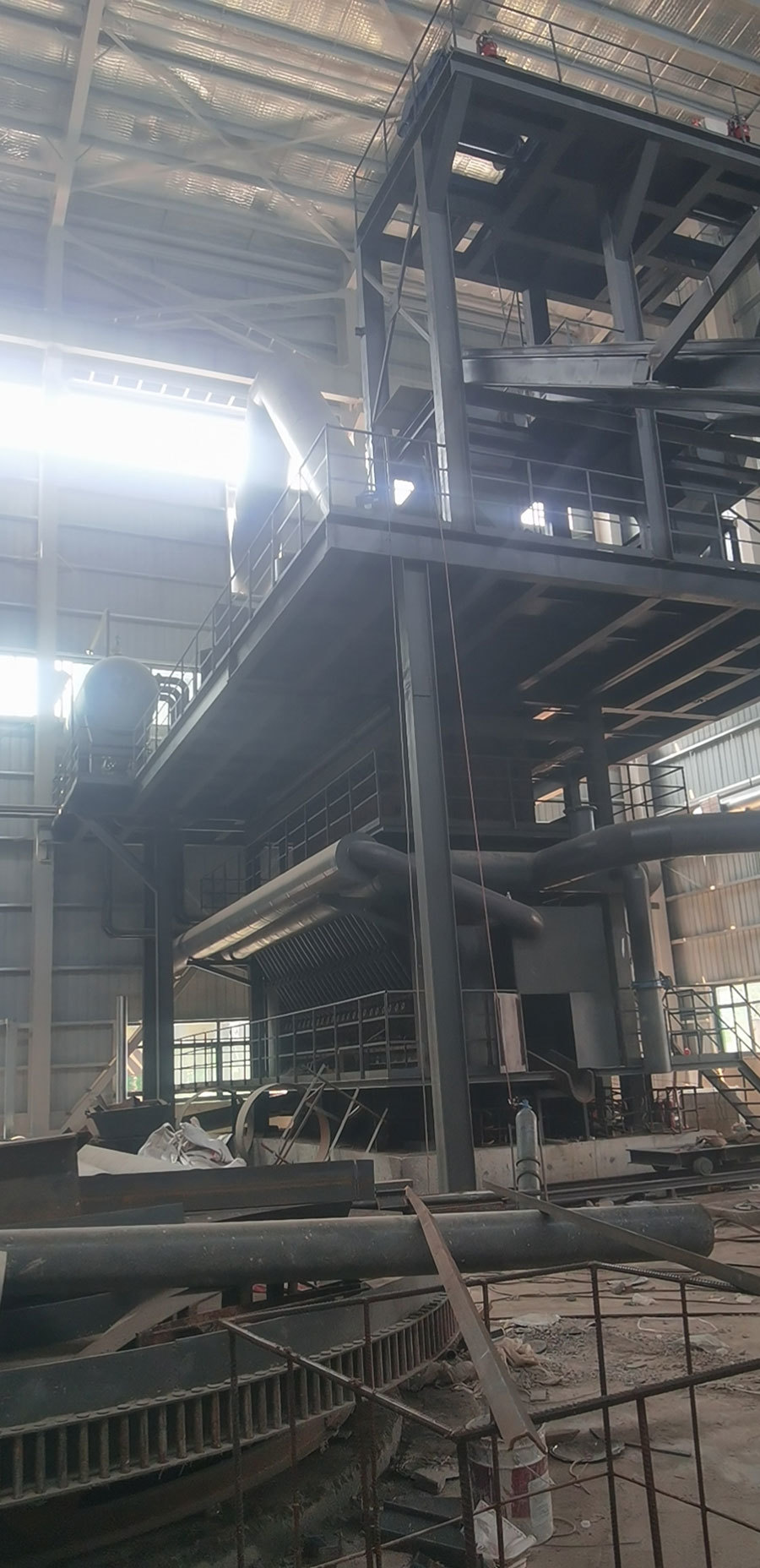
Unlocking Efficiency: The Role of Oxygen-Enriched Bottom-Blown Furnaces in Modern Foundries
Table of Contents
- 1. Introduction to Oxygen-Enriched Bottom-Blown Furnaces
- 2. Understanding Bottom-Blown Furnaces
- 3. Benefits of Oxygen Enrichment in Foundries
- 3.1 Improved Efficiency and Productivity
- 3.2 Emission Reduction and Environmental Impact
- 3.3 Enhanced Metal Quality and Properties
- 4. The Mechanics of Oxygen-Enriched Furnaces
- 5. Applications of Oxygen-Enriched Furnaces in Foundries
- 6. Future Trends in Foundry Operations
- 7. Challenges and Considerations
- 8. Frequently Asked Questions
- 9. Conclusion
1. Introduction to Oxygen-Enriched Bottom-Blown Furnaces
In the world of modern metallurgy, oxygen-enriched bottom-blown furnaces (OEBBFs) have emerged as a game-changer. These furnaces utilize oxygen to enhance combustion efficiency, resulting in significant improvements in both productivity and environmental performance. As industries face increasing pressure to optimize operations and reduce carbon footprints, the adoption of OEBBF technology in foundries has gained considerable momentum.
This article aims to explore the various facets of oxygen-enriched bottom-blown furnaces, shedding light on their operational principles, benefits, and the future direction of foundry technology.
2. Understanding Bottom-Blown Furnaces
Bottom-blown furnaces are designed to inject oxygen from the bottom of the furnace, enhancing combustion and heat distribution throughout the molten metal. Unlike traditional furnaces that rely solely on top-down combustion, OEBBFs achieve more uniform heating, enabling faster melting and refining processes.
The key components of a bottom-blown furnace include:
- **Furnace Body**: The main structure that contains the molten metal.
- **Tuves**: Specialized ports located at the bottom of the furnace where oxygen is injected.
- **Stirring Mechanism**: A system that ensures even mixing of the molten metal during the heating phase.
These components work in harmony to create an efficient melting and refining environment that is crucial for producing high-quality alloys.
3. Benefits of Oxygen Enrichment in Foundries
3.1 Improved Efficiency and Productivity
One of the primary advantages of employing oxygen-enriched bottom-blown furnaces is the marked improvement in efficiency. By increasing the oxygen content in the combustion process, these furnaces achieve higher temperatures more rapidly. This leads to:
- **Shorter Melting Times**: The enhanced combustion results in faster melting rates, reducing overall cycle times.
- **Higher Throughput**: Foundries can process larger volumes of metal with minimal downtime, significantly boosting productivity.
Research indicates that foundries utilizing OEBBFs can achieve up to a **30% increase in efficiency** compared to traditional melting methods.
3.2 Emission Reduction and Environmental Impact
As global regulations tighten, foundries are under pressure to minimize their carbon emissions. Oxygen-enriched combustion helps achieve this goal in several ways:
- **Lower CO2 Emissions**: The complete combustion of fuels in the presence of oxygen results in lower carbon dioxide output.
- **Reduced Waste**: Enhanced combustion reduces the formation of unburned hydrocarbons, leading to cleaner emissions.
By integrating OEBBF technology, foundries can adhere to stringent environmental regulations while fostering sustainable practices.
3.3 Enhanced Metal Quality and Properties
The adoption of oxygen-enriched bottom-blown furnaces not only boosts efficiency but also significantly enhances the quality of the metals produced. Key improvements include:
- **Consistent Alloy Composition**: The uniform heat distribution ensures that the alloying elements are evenly mixed, reducing the risk of segregation.
- **Improved Mechanical Properties**: Metals produced in OEBBFs often exhibit superior mechanical properties, including increased tensile strength and reduced porosity.
This enhancement in metal quality is essential for applications in sectors requiring high-performance materials, such as aerospace and automotive industries.
4. The Mechanics of Oxygen-Enriched Furnaces
Understanding the operational principles of OEBBFs is crucial for maximizing their benefits. The combustion process and heat distribution mechanisms play pivotal roles in achieving optimal performance.
4.1 The Combustion Process Explained
In oxygen-enriched bottom-blown furnaces, the combustion process is characterized by:
- **Oxygen Injection**: Oxygen is injected through tuves, creating a rich combustion environment.
- **Fuel Utilization**: The presence of excess oxygen allows for better utilization of fuel, leading to higher energy efficiency.
This process not only enhances the melting efficiency but also results in a cleaner combustion profile.
4.2 Heat Distribution Mechanisms
Effective heat distribution is another hallmark of oxygen-enriched bottom-blown furnaces. The stirring mechanism plays a crucial role by:
- **Promoting Thermal Convection**: The stirring ensures that the heat generated at the bottom of the furnace is evenly distributed throughout the molten metal.
- **Minimizing Hot Spots**: By preventing localized overheating, the risk of defects in the metal is significantly reduced.
These mechanisms combine to create a highly efficient melting environment that optimally supports the foundry's production goals.
5. Applications of Oxygen-Enriched Furnaces in Foundries
Oxygen-enriched bottom-blown furnaces have found a wide range of applications across various types of foundries. Key areas include:
- **Steel Production**: OEBBFs are extensively used for steel melting and refining, where efficiency and quality are paramount.
- **Non-Ferrous Metallurgy**: These furnaces are also applied in the production of non-ferrous metals such as copper and aluminum, benefiting from the same advantages in efficiency and quality.
The versatility of OEBBF technology makes it suitable for various metallurgical processes, reinforcing its role in modern foundries.
6. Future Trends in Foundry Operations
As technology continues to evolve, several trends are anticipated to shape the future of foundry operations:
- **Increased Automation**: Integration of advanced robotics and automation systems will streamline operations, reducing labor costs and enhancing precision.
- **Data-Driven Decision Making**: The use of IoT and big data analytics will allow foundries to optimize furnace operations in real time, improving efficiency and output.
These trends suggest that the role of oxygen-enriched bottom-blown furnaces will only become more significant as the industry continues to innovate.
7. Challenges and Considerations
While oxygen-enriched bottom-blown furnaces offer numerous benefits, they are not without challenges:
- **Initial Investment Costs**: The upfront costs associated with installing OEBBF technology can be significant, posing a barrier for some foundries.
- **Operational Complexity**: The need for skilled personnel to operate and maintain these advanced systems is essential.
Addressing these challenges will be crucial for foundries seeking to adopt oxygen-enriched technology and maximize its potential benefits.
8. Frequently Asked Questions
1. What are the main advantages of using oxygen-enriched bottom-blown furnaces in foundries?
The main advantages include improved efficiency, reduced emissions, and enhanced metal quality.
2. How do oxygen-enriched furnaces differ from traditional furnaces?
Oxygen-enriched furnaces inject oxygen from the bottom, offering better heat distribution and combustion efficiency compared to traditional top-down furnaces.
3. Are there specific industries that benefit most from oxygen-enriched furnaces?
Industries such as steel production, automotive, and aerospace significantly benefit from the enhanced efficiency and metal quality provided by OEBBF technology.
4. What challenges do foundries face when adopting oxygen-enriched technology?
Challenges include high initial investment costs and the need for skilled personnel to manage the complex operational requirements.
5. How does oxygen enrichment impact the environmental performance of foundries?
Oxygen enrichment reduces carbon emissions and enhances combustion efficiency, contributing to a lower environmental impact.
9. Conclusion
Oxygen-enriched bottom-blown furnaces represent a significant advancement in the foundry industry, providing numerous benefits in terms of efficiency, quality, and environmental performance. As foundries continue to seek ways to enhance production while adhering to stringent regulatory standards, the role of OEBBF technology will likely expand. By understanding the mechanics, advantages, and future trends associated with these furnaces, foundries can position themselves at the forefront of modern metallurgy, unlocking new levels of performance and sustainability.
TAG:
Contact Us
Company Email:
962452762@qq.com
Contact Number:
+8615670922562
Company Address:
No. 11 Plant, Tiantan Industrial Park, Huling Industrial Cluster, Jiyuan City

Address: No. 11 Plant, Tiantan Industrial Park, Huling Industrial Cluster, Jiyuan City

Scan with WeChat
Copyright © Xinyu Metallurgical Equipment Co., Ltd.
SAF Coolest v1.3.1.2 设置面板 GAGSE-ZGYF-JXSZE-AED
违禁词: First, best, top-notch, leading, unique, king, leader, leader, ultimate,
无数据提示
Sorry, this column is currently being updated. Please stay tuned!
You can view other columns or returnHomepage